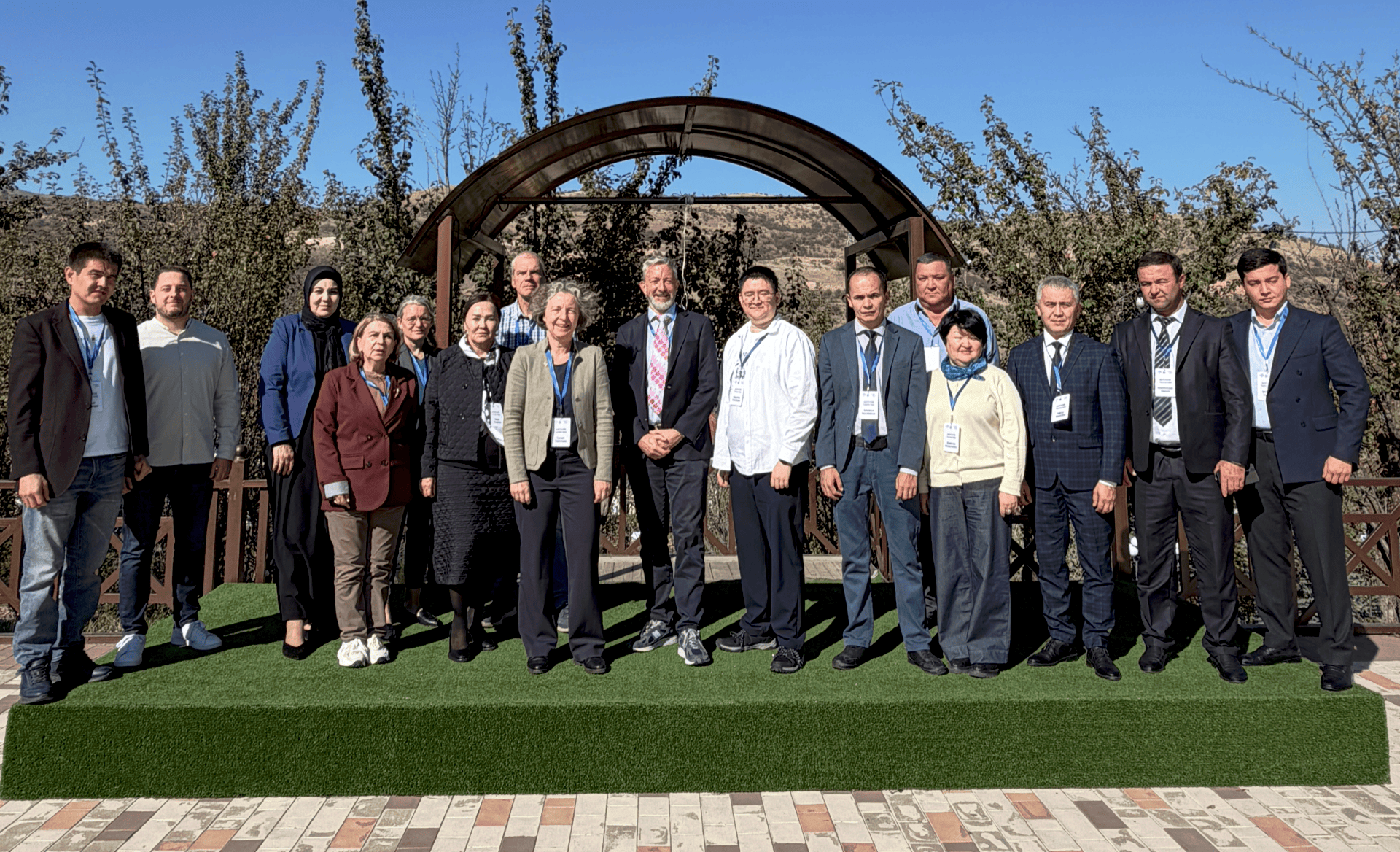
Behind every discharge prediction are people: colleagues who collect observations, check the data and bring their experience to decisions that others depend on. On 19–20 October 2026, the SAPPHIRE Central Asia family of operational hydrologists came together at Layner Resort in Chimgan, near Tashkent, to reflect on four years of shared work and look towards what comes next.
For us at hydrosolutions GmbH, this final annual project workshop was a moment to appreciate the people and institutions who have shaped SAPPHIRE. Our partners in the national hydrometeorological services of Kazakhstan, Kyrgyzstan, Tajikistan, Turkmenistan and Uzbekistan have brought their knowledge, questions and practical experience to the project. Alongside developers, researchers and regional coordinators, they have helped turn ideas into tools that respond to the realities of daily forecasting. Together, SAPPHIRE’s five partner countries span approximately 4 million square kilometres, an area roughly the size of the European Union.
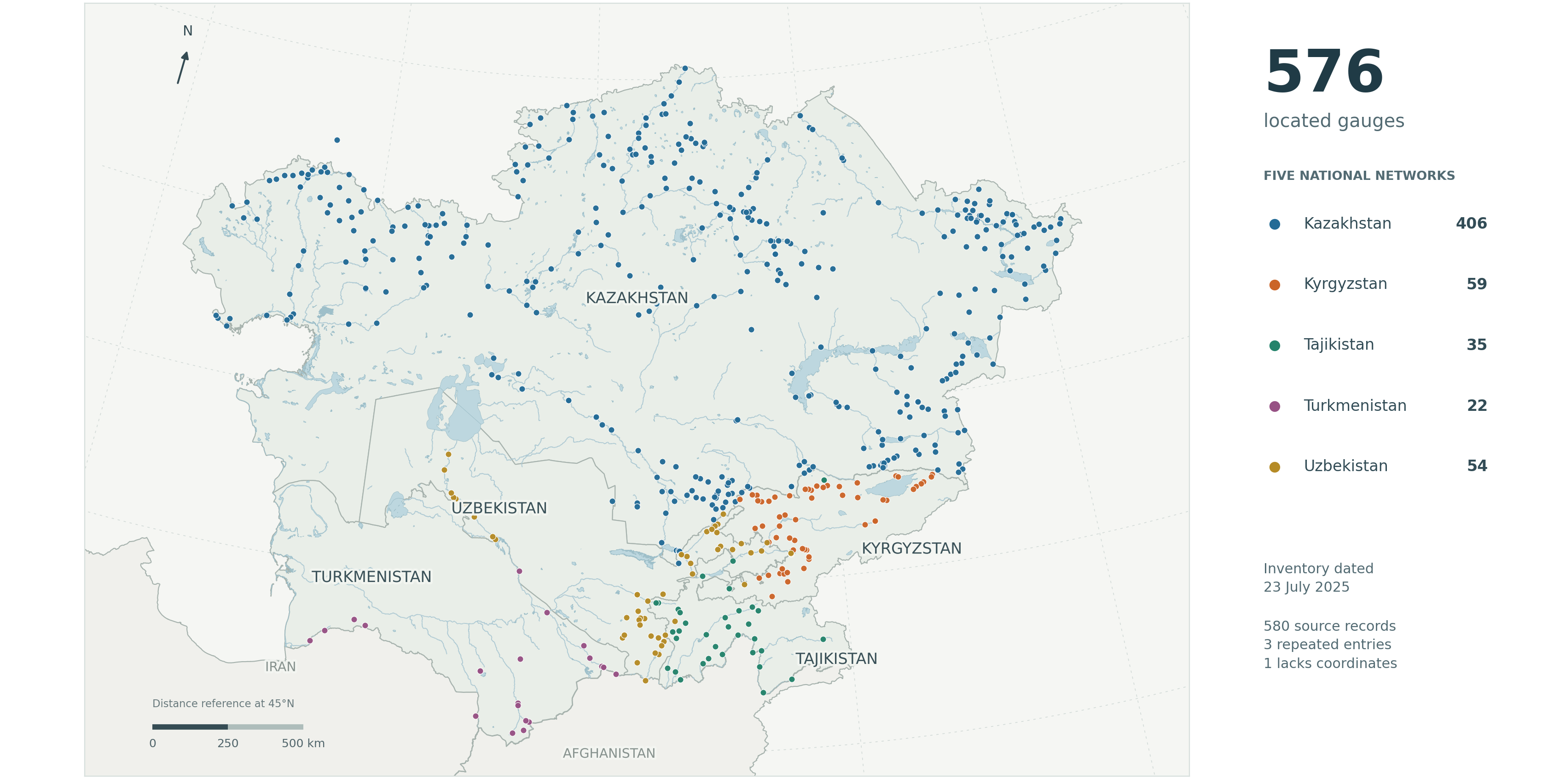
The results are tangible. SAPPHIRE has connected river observations, weather and snow information with tools for checking data, producing and comparing forecasts and preparing bulletins and operational journals. The iEasyHydro HF platform supports the daily handling of hydrological data, while SnowMapper adds information about snow and melt in the mountains. As of 20 October 2026, the five countries reported 632 operational hydrological stations, with 524 included in iEasyHydro HF (82.9%), including four test stations in Uzbekistan. Forecasting work has grown from an initial focus on six pilot basins to operational forecasts for 80 catchments in Kyrgyzstan and Tajikistan.
SAPPHIRE’s early investment in machine learning, which learns patterns from river and weather data, has paid off in better forecasts. In evaluations covering the April–September seasons of 2010–2026, combining several machine-learning models reduced typical forecast errors by 21–30% in Kyrgyzstan and 33–37% in Tajikistan for five- and ten-day predictions, compared with the linear-regression approach. These gains give forecasters stronger evidence for their decisions, although improvements vary between basins.
These developments carry the imprint of the people who use them. Under the local leadership of the Kyrgyz Hydromet experts, the forecasters’ feedback helped shape how observations are reviewed and how results are compared, keeping professional judgement at the centre. The purpose remains practical: to give hydrologists better information in time to support decisions about water.
The workshop also made space to look ahead. Sustaining the tools, supporting their users and improving forecasts where performance remains uneven will require continued care and cooperation. The relationships built through SAPPHIRE give this work a valuable foundation.
We leave Chimgan with gratitude to our Hydromet colleagues, our technical and research partners, and everyone who has kept this regional collaboration moving. We warmly thank the Swiss Agency for Development and Cooperation (SDC) for its support. As SAPPHIRE approaches the end of its 2022–2026 project period, we are proud of what we have built together—and deeply appreciative of the people who made it possible.